 Business License

Hydraulic Seal Types Explained | O Rings, Rod Seals, Piston Seals Guide
Hydraulic Seal Types Explained: Complete Engineering Guide
Introduction
Hydraulic systems are widely used in industrial machinery, construction equipment, manufacturing systems, and fluid power applications. The performance of these systems depends heavily on the reliability of sealing components.
Hydraulic seals prevent fluid leakage, maintain pressure, and ensure smooth mechanical movement. A failure in any sealing component can lead to system inefficiency, equipment damage, or complete shutdown.
This article explains the main hydraulic seal types, their functions, materials, and industrial applications.
1. What Are Hydraulic Seals?
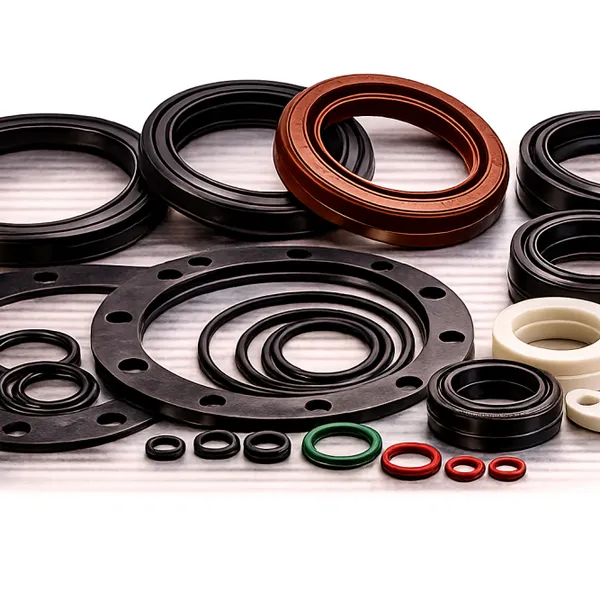
Hydraulic seals are components used in fluid power systems to prevent leakage between moving or stationary parts. They are designed to withstand pressure, friction, and fluid exposure.
▪ Prevent hydraulic oil leakage
▪ Maintain system pressure
▪ Reduce friction between moving parts
▪ Improve system efficiency
▪ Extend equipment lifespan
Hydraulic seals are used in cylinders, pumps, valves, and hydraulic machinery.
2. Main Types of Hydraulic Seals
Hydraulic systems use several types of seals, each serving a specific function.
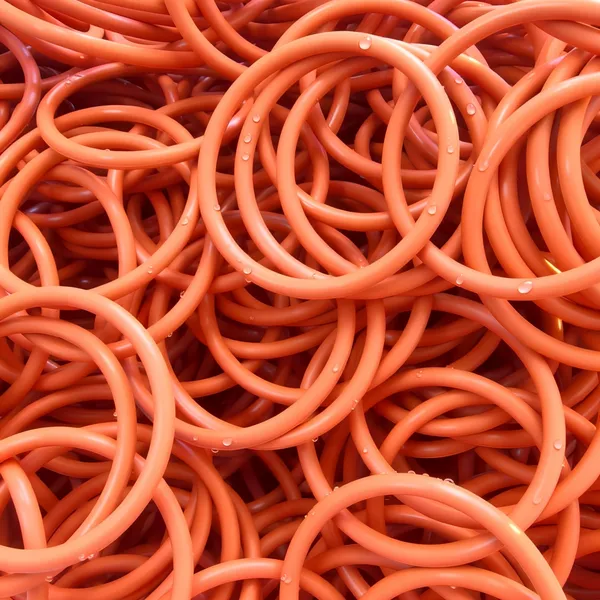
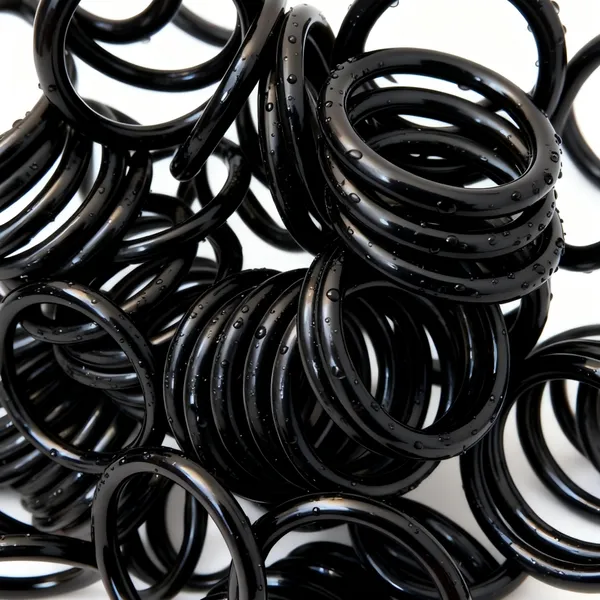
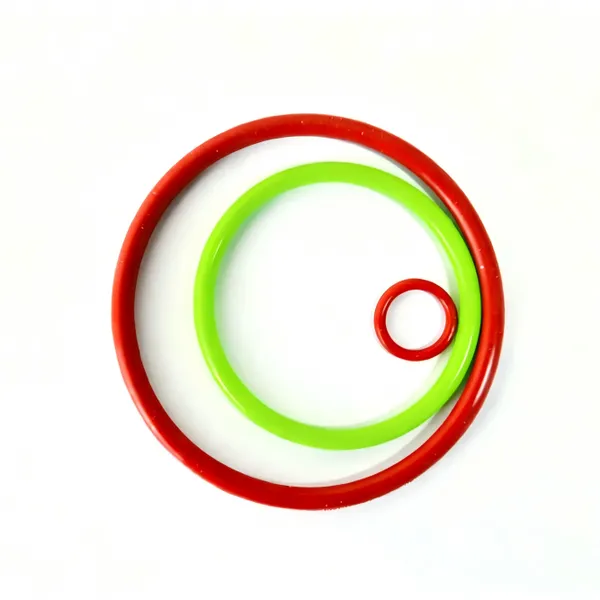
2.1 O Rings
— Most common sealing component
— Used for static and dynamic sealing
— Installed in grooves between parts
Applications:
▪ Hydraulic cylinders
▪ Pumps and valves
▪ Pipe connections
Materials:
NBR, FKM, HNBR, EPDM
2.2 Piston Seals
— Installed on hydraulic pistons
— Prevent fluid leakage between piston and cylinder wall
— Work under high pressure and motion
Applications:
▪ Excavators
▪ Hydraulic presses
▪ Industrial machinery
2.3 Rod Seals
— Installed on piston rods
— Prevent external leakage
— Work in dynamic movement conditions
Applications:
▪ Hydraulic cylinders
▪ Construction equipment
▪ Industrial lifting systems
2.4 Wiper Seals
— Prevent dust, dirt, and moisture from entering system
— Protect internal components from contamination
Applications:
▪ Heavy machinery
▪ Outdoor hydraulic systems
▪ Excavators and loaders
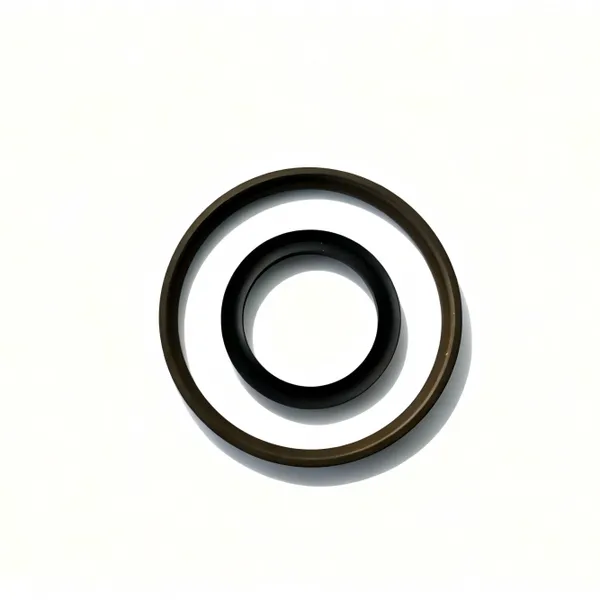
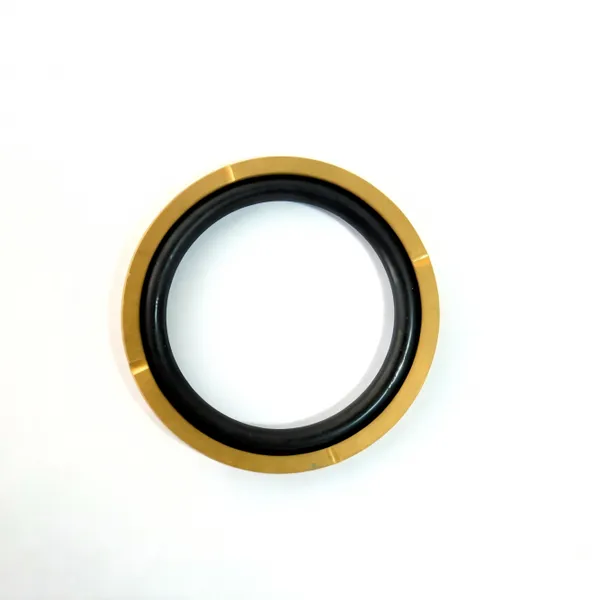
2.5 Backup Rings
— Prevent extrusion of O rings under high pressure
— Improve sealing stability
Applications:
▪ High pressure hydraulic systems
▪ Heavy-duty industrial equipment
3. Hydraulic Seal Materials
Material selection is critical for hydraulic performance.
NBR (Nitrile Rubber)
▪ Excellent oil resistance
▪ Cost-effective
▪ Widely used in hydraulic systems
Limitations: moderate temperature resistance
HNBR (Hydrogenated NBR)
▪ High strength and durability
▪ Better heat resistance than NBR
▪ Suitable for heavy-duty systems
FKM (Fluorocarbon Rubber)
▪ High temperature resistance
▪ Chemical and fuel resistance
▪ Long service life
PU (Polyurethane)
▪ High wear resistance
▪ Excellent mechanical strength
▪ Ideal for dynamic seals
4. Hydraulic Seal Applications
Hydraulic seals are used in a wide range of industries:
▪ Construction machinery (excavators, loaders)
▪ Industrial presses
▪ Injection molding machines
▪ Agricultural equipment
▪ Hydraulic lifting systems
▪ Mining equipment
Each application requires different seal configurations and materials.
5. Common Hydraulic Seal Failures
Hydraulic seal failure is usually caused by improper selection or operating conditions:
▪ Excessive pressure causing extrusion
▪ Incorrect material selection
▪ Contaminated hydraulic fluid
▪ High temperature degradation
▪ Wear from continuous movement
Proper material selection reduces failure rate significantly.
6. Engineering Selection Guide
Choosing hydraulic seals depends on system conditions:
— Standard hydraulic systems → NBR O rings
— Heavy duty systems → HNBR seals
— High temperature systems → FKM seals
— Dynamic wear systems → PU seals
— High pressure systems → O ring + backup ring combination
Engineering design often uses multiple seal types in one system.
7. Sealchris Hydraulic Sealing Capability
As a professional sealing manufacturer, Sealchris provides complete hydraulic sealing solutions for global industries.
We supply:
— Hydraulic O rings
— Piston seals and rod seals
— Wiper seals and dust seals
— Backup rings for high pressure systems
— Custom molded hydraulic components
— Complete hydraulic seal kits
We support OEM manufacturing based on drawings, samples, and working conditions.
Conclusion
Hydraulic seals are essential components in fluid power systems. Understanding different seal types and materials is critical for ensuring system reliability and performance.
O rings, piston seals, rod seals, and wiper seals each play a specific role in hydraulic systems. Proper selection improves efficiency, reduces downtime, and extends equipment life.
Recently Posted
-
New Open Mill Arrived | SEAL CHRIS Production Upgrade
August 4, 2026Great news from SEAL CHRIS! Our brand-new rubber open mill has officially landed at our factory.As a core equipment for rubber mix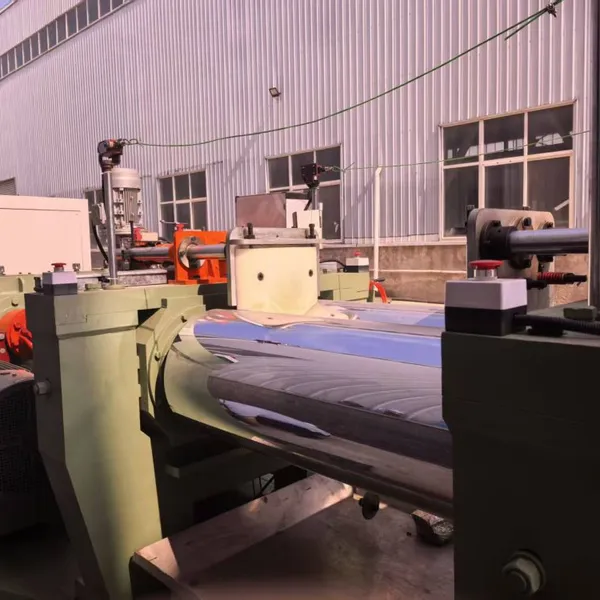 Read More
 -
High-Temperature FFKM Sealing Rings | Oil & Gas Extreme Environment Applications
July 21, 2026High-Temperature FFKM Sealing Rings for Oil & Gas ApplicationsProduct OverviewFFKM sealing rings are engineered for extreme op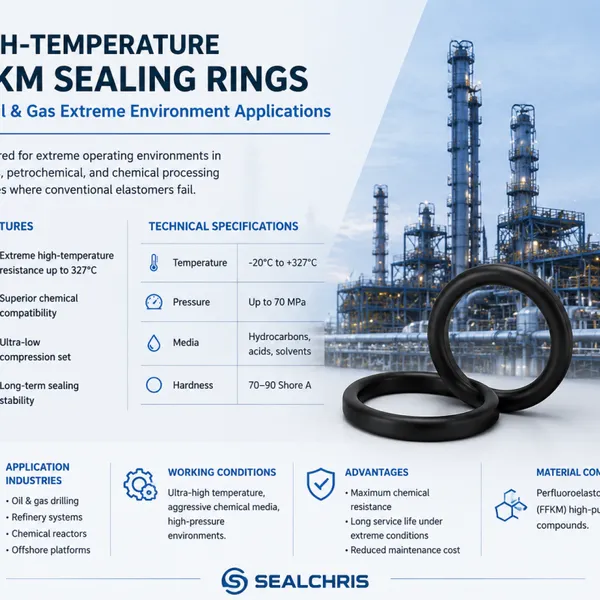 Read More
 -
Automotive Rubber Seal Applications: Engine, Fuel System & Vehicle Sealing Solutions
July 14, 2026Automotive Rubber Seal Applications: Engine, Fuel System & Vehicle Sealing SolutionsAutomotive rubber seals are essential comp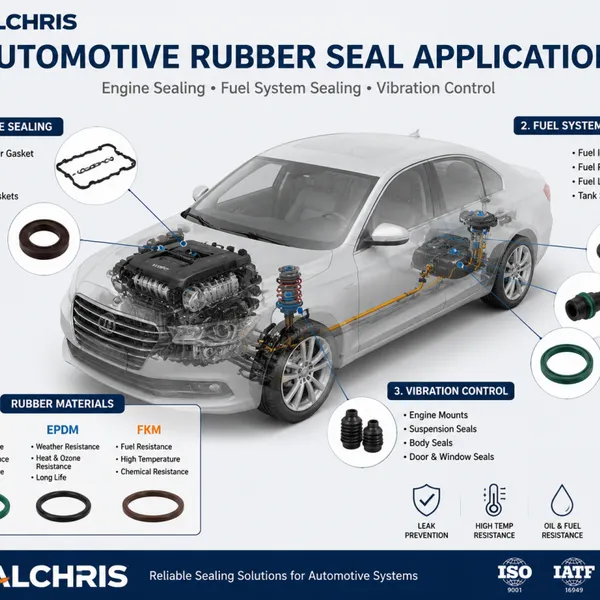 Read More
 -
Hydraulic Cylinder Seals | Piston and Rod Seal Guide
July 7, 2026Hydraulic Cylinder Seals | Piston and Rod Seal GuideIntroductionHydraulic cylinders are widely used in construction machinery, ind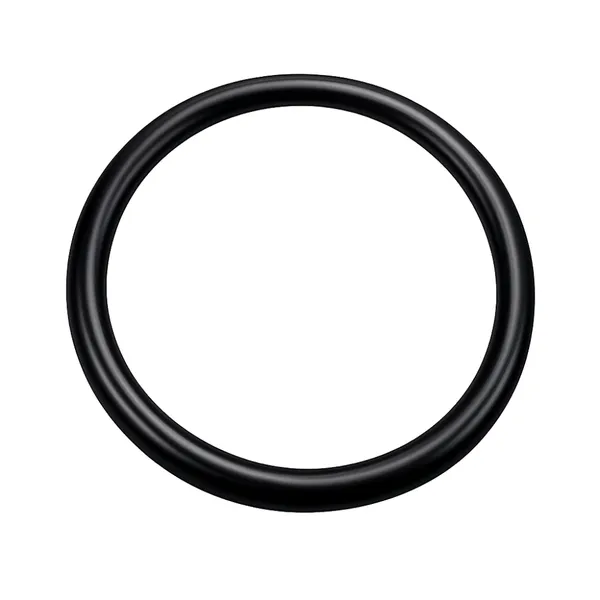 Read More

Contact Us
Recommended Products
-
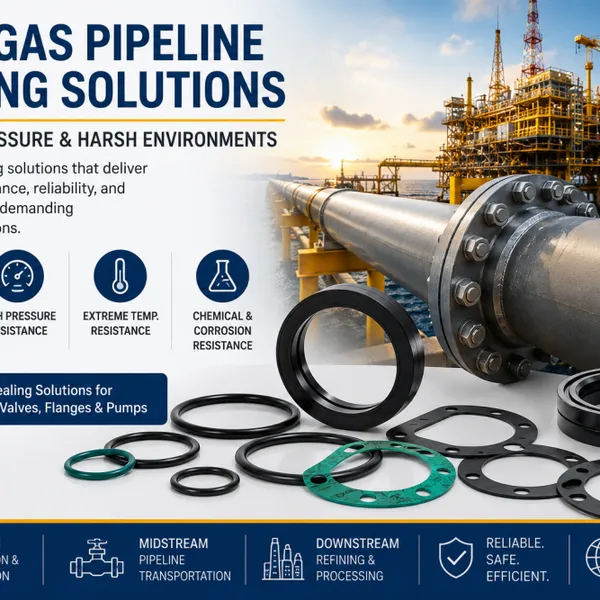
 Oil & Gas Pipeline Gaskets | High Pressure Sealing SystemsNegotiableMOQ: 10 Pieces
 -
Air Compressor High-Temperature Seals | Vibration Resistant DesignNegotiableMOQ: 10 Pieces
-
FFKM Chemical Processing Seals | Ultra Corrosive EnvironmentsNegotiableMOQ: 10 Pieces
-
High-Temperature Industrial O-Rings | Mechanical Equipment SealingNegotiableMOQ: 10 Pieces
-
Heavy Duty Hydraulic Gaskets | Mining & Construction EquipmentNegotiableMOQ: 10 Pieces
-
FFKM Valve O-Rings | High-Temperature Petrochemical ApplicationsNegotiableMOQ: 10 Pieces
-
Chemical Resistant Industrial Gaskets | Acid Alkali Processing EquipmentNegotiableMOQ: 10 Pieces
-
High-Pressure Compressor Sealing Gaskets | Gas Compression SystemsNegotiableMOQ: 10 Pieces
-
FKM High-Temperature O-Rings | Industrial Fluid Sealing SystemsNegotiableMOQ: 10 Pieces
-
Oil Drilling High-Temperature Sealing Rings | Extreme Downhole ConditionsNegotiableMOQ: 10 Pieces
-
Chemical Reactor Gaskets | High-Temperature Corrosion ResistanceNegotiableMOQ: 10 Pieces
-
Industrial Air Compressor Gaskets | High Vibration SystemsNegotiableMOQ: 10 Pieces
-
FFKM Chemical Resistant O-Rings | Aggressive Media SealingNegotiableMOQ: 10 Pieces
-
High-Pressure Hydraulic Sealing Rings | Heavy Industrial EquipmentNegotiableMOQ: 10 Pieces
-
Specialty Rubber O-Rings | High-Pressure Oil & Gas ApplicationsNegotiableMOQ: 10 Pieces

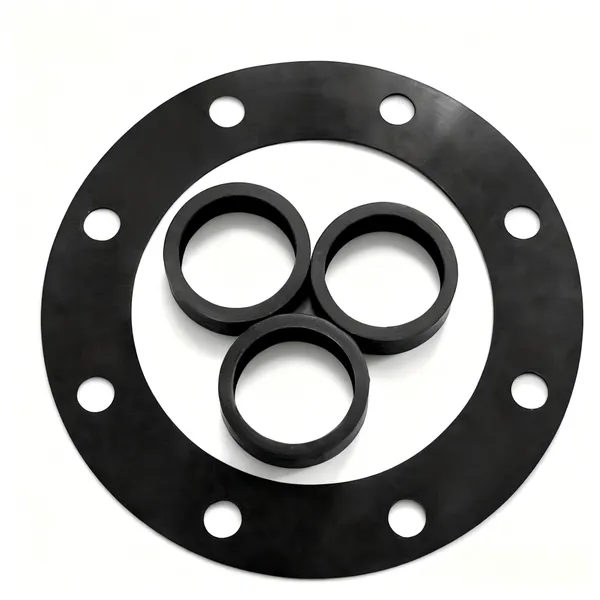
-
High-Temperature Rubber Seals | Steam & Hot Fluid SystemsNegotiableMOQ: 10 Pieces
-
FKM Sealing Rings | Corrosive Chemical HandlingNegotiableMOQ: 10 Pieces
-
Wear-Resistant Rubber Gaskets | High-Pressure Hydraulic SystemsNegotiableMOQ: 10 Pieces
-
High-Temperature FFKM O-Rings | Chemical Reactor SealingNegotiableMOQ: 10 Pieces
-
Industrial Air Compressor Sealing Rings | High-Temperature Vibration SystemsNegotiableMOQ: 10 Pieces