 Business License

Rubber Seal Failure Causes: Why Seals Leak and How to Prevent Seal Damage
Rubber Seal Failure Causes: Why Seals Leak and How to Prevent Seal Damage
Rubber Seal Failure Causes: Why Seals Leak and How to Prevent It
Introduction
Rubber seals play a vital role in maintaining leak-free operation across hydraulic systems, oil and gas pipelines, pumps, valves, compressors, and industrial machinery.
When a seal fails, the consequences can include:
✔ Fluid leakage
✔ Pressure loss
✔ Equipment damage
✔ Safety hazards
✔ Unplanned downtime
Understanding why rubber seals fail helps engineers select the right materials, optimize sealing design, and reduce maintenance costs.
Common Symptoms of Rubber Seal Failure
Before identifying the root cause, engineers should recognize the most common signs of seal failure.
Failure Symptom | Possible Cause |
|---|---|
Fluid Leakage | Compression loss, wear, installation error |
Swelling | Chemical incompatibility |
Cracking | Heat aging, ozone exposure |
Hardening | Excessive temperature |
Extrusion | High pressure |
Surface Wear | Friction and contamination |
Permanent Deformation | Over-compression |
1. Material Incompatibility
Incorrect material selection is one of the leading causes of seal failure.
Different elastomers react differently when exposed to oils, fuels, chemicals, gases, and extreme temperatures.
Common Examples
NBR swelling in aggressive chemical environments
EPDM degradation in petroleum-based oils
Silicone deformation under high-pressure conditions
FKM failure when temperature limits are exceeded
Material incompatibility often causes:
Swelling
Softening
Shrinkage
Hardening
Loss of sealing force
Prevention
✔ Verify media compatibility before material selection
✔ Review chemical resistance charts
✔ Consult sealing engineers during design stages
2. Excessive Temperature Exposure
Every rubber material has a maximum operating temperature.
When temperature exceeds material limits, the elastomer begins to deteriorate.
Material | Typical Temperature Range |
|---|---|
NBR | -40°C to 120°C |
EPDM | -50°C to 150°C |
Silicone | -60°C to 200°C |
FKM | -20°C to 250°C |
Effects of Heat Damage
Hardening
Surface cracking
Compression set
Reduced elasticity
Prevention
✔ Select materials according to operating temperature
✔ Consider temperature spikes, not just average temperatures
✔ Use FKM or specialty compounds for high-temperature environments
3. Improper Compression Design
Rubber seals require precise compression to maintain sealing effectiveness.
Over-Compression
May cause:
Permanent deformation
Excessive friction
Accelerated wear
Under-Compression
May cause:
Leakage
Pressure loss
Seal movement
Prevention
✔ Follow recommended compression ratios
✔ Design grooves according to sealing standards
✔ Verify tolerances during manufacturing
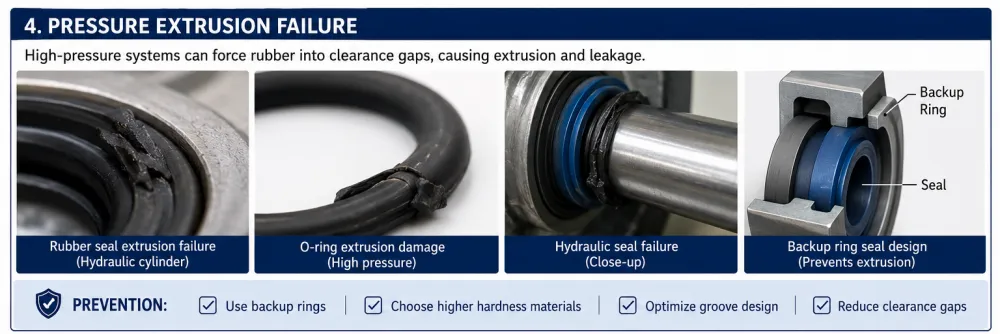
4. Pressure Extrusion Failure
In high-pressure systems, rubber can be forced into clearance gaps and become damaged.
Common Applications
Hydraulic cylinders
High-pressure pumps
Oilfield equipment
Industrial valves
Symptoms
Torn edges
Extruded material
Sudden leakage
Prevention
✔ Install backup rings
✔ Reduce clearance gaps
✔ Use higher-hardness compounds
Recommended Image
5. Chemical Degradation
Exposure to incompatible chemicals can rapidly destroy sealing materials.
Common Chemical Attacks
Acids damaging NBR
Fuels attacking EPDM
Solvents degrading silicone compounds
Oxidizing agents affecting elastomers
Results
Swelling
Cracking
Surface erosion
Material dissolution
Prevention
✔ Verify chemical compatibility
✔ Conduct immersion testing when necessary
✔ Upgrade materials for aggressive media
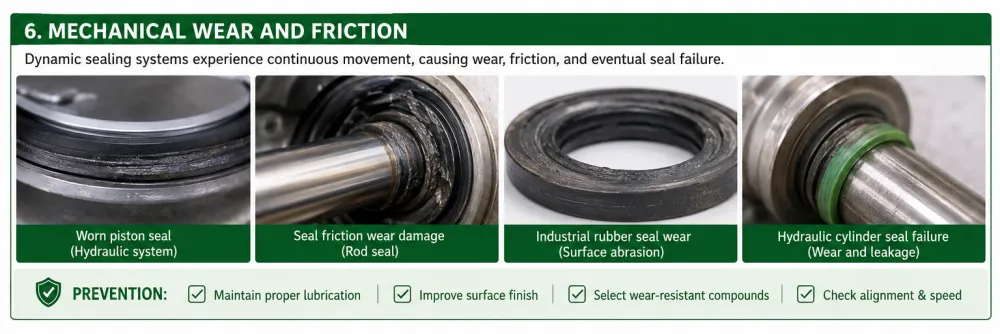
6. Mechanical Wear and Friction
Dynamic seals experience constant movement and friction.
Common Wear Locations
Hydraulic piston seals
Rod seals
Rotary shaft seals
Causes
Inadequate lubrication
Rough surface finish
Excessive operating speed
Misalignment
Prevention
✔ Maintain proper lubrication
✔ Improve surface finish
✔ Select wear-resistant compounds
Recommended Image
7. Contamination and Dirt Ingress
Contaminants significantly shorten seal life.
Common contaminants include:
Dust
Sand
Metal particles
Water contamination
Effects
Abrasion
Surface scratching
Increased friction
Accelerated leakage
Prevention
✔ Install wiper seals
✔ Improve filtration systems
✔ Maintain equipment cleanliness
8. Installation Errors
Even premium-quality seals can fail immediately if installed incorrectly.
Typical Installation Mistakes
Twisted O-rings
Cut seals from sharp edges
Improper groove positioning
Dry installation without lubrication
Prevention
✔ Use proper installation tools
✔ Lubricate during assembly
✔ Inspect grooves before installation
9. Aging and Material Fatigue
Rubber naturally ages over time due to:
Oxygen exposure
Ozone attack
UV radiation
Thermal cycling
Common Aging Symptoms
Loss of elasticity
Hardening
Cracks
Compression set
Prevention
✔ Choose aging-resistant materials
✔ Store seals properly
✔ Replace seals during scheduled maintenance
10. How to Prevent Rubber Seal Failure
Successful sealing performance depends on proper engineering and maintenance.
Best Practices
✔ Select compatible sealing materials
✔ Match temperature and pressure ratings
✔ Optimize groove geometry
✔ Use backup rings when necessary
✔ Control contamination
✔ Follow proper installation procedures
✔ Perform regular inspections
11. Engineering Best Practices for Long-Term Reliability
Industrial sealing systems should always:
Verify chemical compatibility
Match seal hardness to pressure levels
Avoid excessive compression
Design for thermal expansion
Use multi-seal configurations in critical equipment
Monitor seal wear during maintenance cycles
Following these practices significantly improves equipment reliability and reduces operating costs.
12. Why Choose Sealchris for Industrial Sealing Solutions
Sealchris provides comprehensive sealing solutions for demanding industrial environments.
Product Range
O-rings
Hydraulic seals
Rod seals
Piston seals
Oil and gas sealing components
Custom molded rubber parts
Industrial sealing kits
Technical Support
Our engineering team assists customers with:
Material selection
Seal design optimization
Failure analysis
Custom sealing solutions
Helping customers reduce leakage, improve reliability, and extend service life.
Frequently Asked Questions (FAQ)
What is the most common cause of rubber seal failure?
Material incompatibility and improper installation are among the most frequent causes of seal leakage.
How can I tell if a rubber seal is failing?
Common signs include leakage, swelling, cracking, hardening, excessive wear, and permanent deformation.
Can high temperature damage rubber seals?
Yes. Excessive heat accelerates aging, causes hardening, and reduces elasticity, leading to premature failure.
How do backup rings prevent seal failure?
Backup rings prevent seal extrusion by supporting the elastomer in high-pressure applications.
Which rubber material offers the best chemical resistance?
FKM and specialized fluoropolymer-based materials generally provide excellent chemical resistance across a wide range of industrial fluids.
Conclusion
Rubber seal failure is typically caused by material incompatibility, excessive temperature, pressure extrusion, contamination, wear, aging, or installation mistakes.
By understanding these failure mechanisms and implementing proper sealing design practices, engineers can significantly reduce leakage, improve equipment reliability, and extend service life.
Selecting the right seal is not only about material quality—it is also about matching the seal to the application's operating conditions for long-term performance and safety.
Recently Posted
-
What Are Oilfield Rubber Seals
June 5, 2026What Are Oilfield Rubber Seals? Applications and Materials ExplainedIntroductionOilfield rubber seals are specialized sealing comp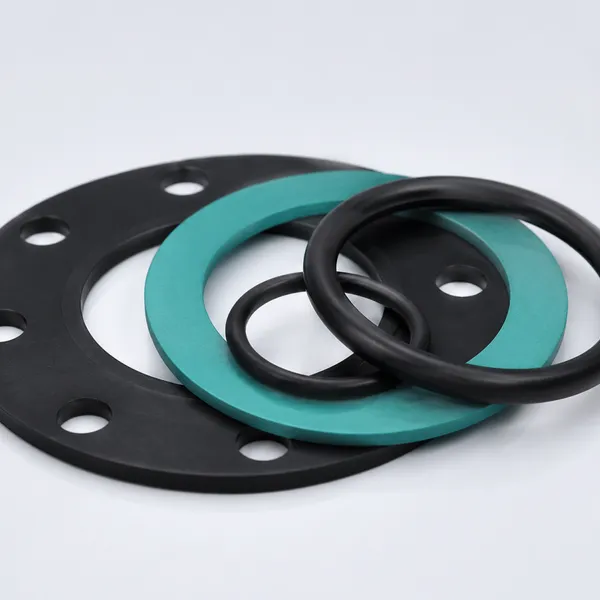 Read More
 -
Xi’an Chris HNBR Oilfield Rubber Seals — Corrosion Resistant, Custom Molded, Reliable Wellhead Seals
June 5, 2026Premium HNBR Wellhead Sealing Solutions for Oilfield EquipmentReliable wellhead sealing systems are essential for safe and stable Read More
 -
Types of Rubber Seals: O Rings, Oil Seals & Industrial Sealing Solutions Guide
June 4, 2026Types of Rubber Seals: O Rings, Oil Seals & Industrial Sealing Solutions GuideIntroductionRubber seals are essential component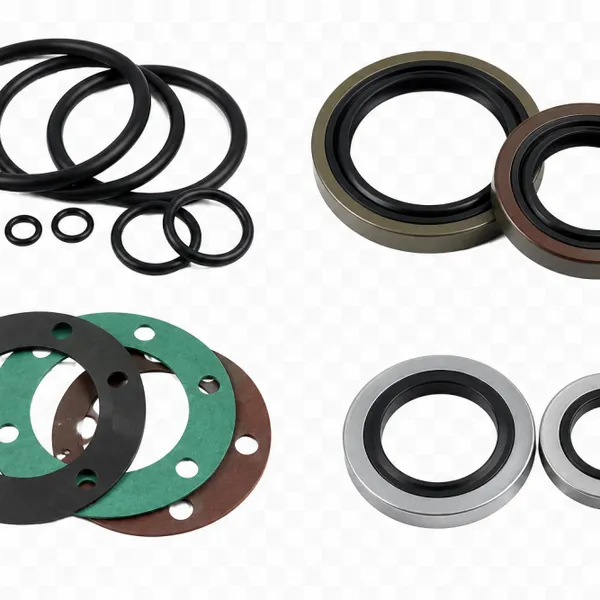 Read More
 -
Rubber Seals in the Oil and Gas Industry | Industrial Sealing Solutions by Xi'an Chris
June 4, 2026Rubber Seals in the Oil and Gas Industry | Industrial Sealing Solutions by Xi'an ChrisMETA DESCRIPTION:Discover rubber seals u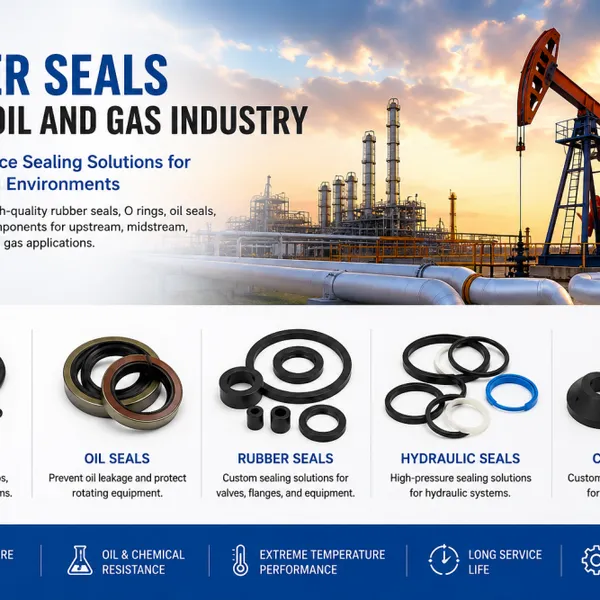 Read More

Contact Us
Recommended Products
-
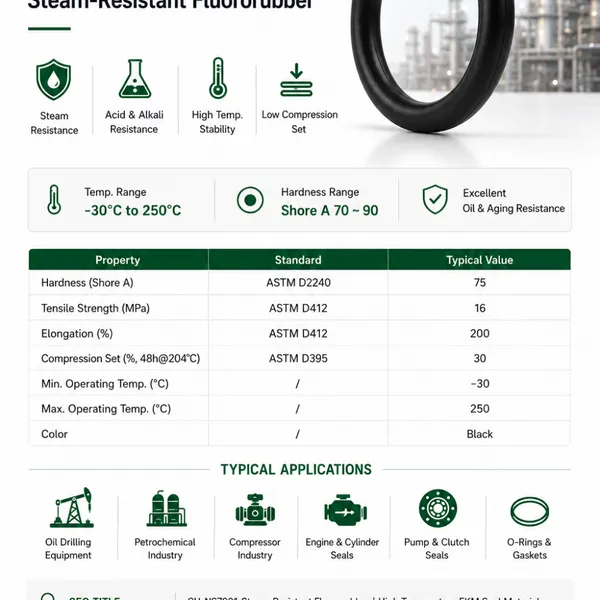
 CH-NS7001 Steam-Resistant Fluororubber | High-Performance Sealing MaterialNegotiableMOQ: 10 Pieces
 -
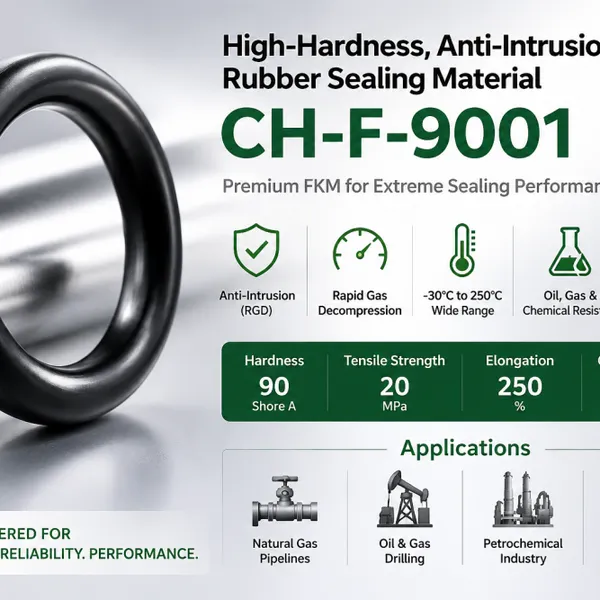
CH-F-9001 Fluororubber Seal | High-Hardness Anti-Inflation MaterialNegotiableMOQ: 10 Pieces
-
CH-F-9005 High-Hardness Anti-RGD FKM Rubber Sealing Material | NORSOK M-710 Certified Oil & Gas SealsNegotiableMOQ: 10 Pieces
-
CH-HB-HD904 High-Hardness Anti-RGD HNBR Rubber Sealing Material | NORSOK M-710 Certified Seals for Oil & GasNegotiableMOQ: 10 Pieces
-
CH-F6335Q High Temperature Resistant Fluorosilicone Rubber | Xi'an ChrisNegotiableMOQ: 10 Pieces
-
CH-S495U High Temperature Resistant Silicone Rubber | FVMQ Silicone Material Manufacturer | Xi'an ChrisNegotiableMOQ: 10 Pieces
-
CH-BCG6580 Ultra-Low Temperature Silicone Rubber | Xi'an ChrisNegotiableMOQ: 10 Pieces
-
GH3044 Metal Seal | High Temperature Metal Sealing Ring Manufacturer | Sealing ChrisNegotiableMOQ: 10 Pieces
-
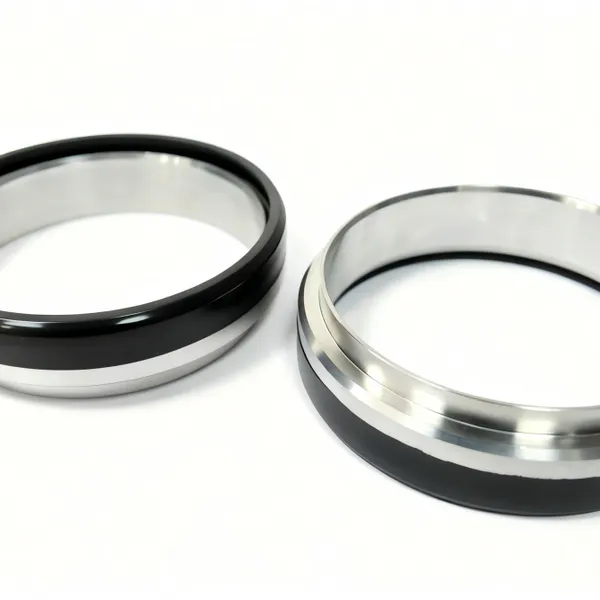
CH-P1000+Hsp Spring Energy Accumulation Ring SealsNegotiableMOQ: 10 Pieces
-
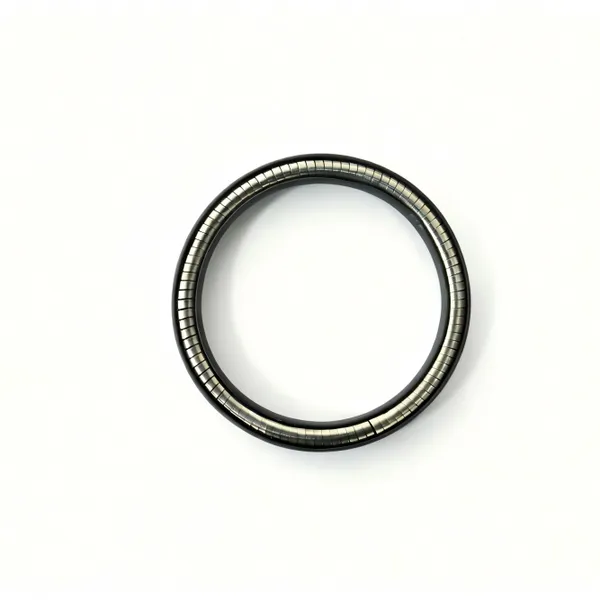
CH-PG2000+Hsp Spring Energized Seal | High Temperature PTFE Shaft & Piston SealNegotiableMOQ: 10 Pieces
-
Spring Energized Seals Manufacturer | High Temperature & High Pressure Sealing Solutions | SealchrisNegotiableMOQ: 10 Pieces
-
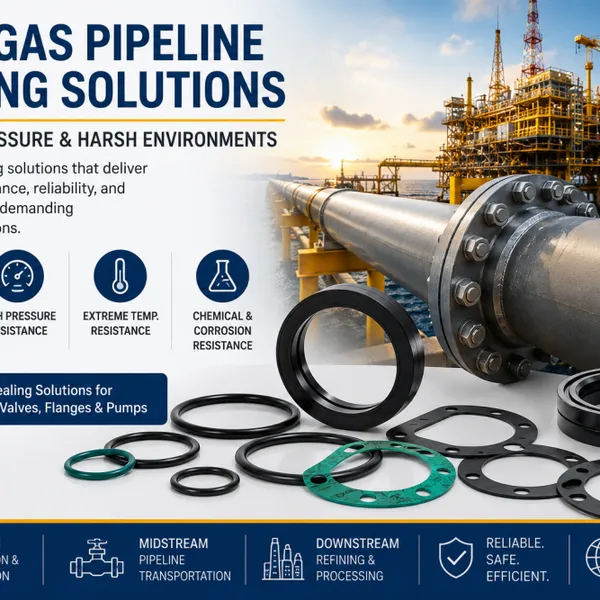
Oil & Gas Pipeline Sealing Solutions for High Pressure & Harsh EnvironmentsNegotiableMOQ: 10 Pieces
-
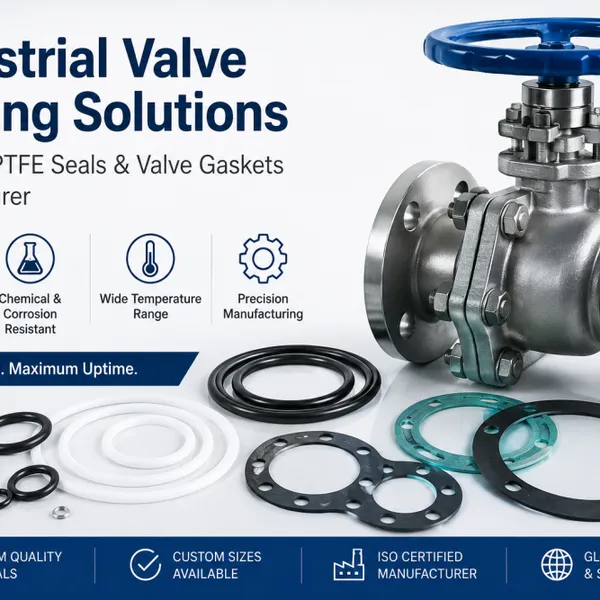
Industrial Valve Sealing Solutions | O-Rings, PTFE Seals & Valve Gaskets ManufacturerNegotiableMOQ: 10 Pieces
-
Oil & Gas Pipeline Sealing Solutions | High Pressure O-Rings, Gaskets & Oil SealsNegotiableMOQ: 10 Pieces
-
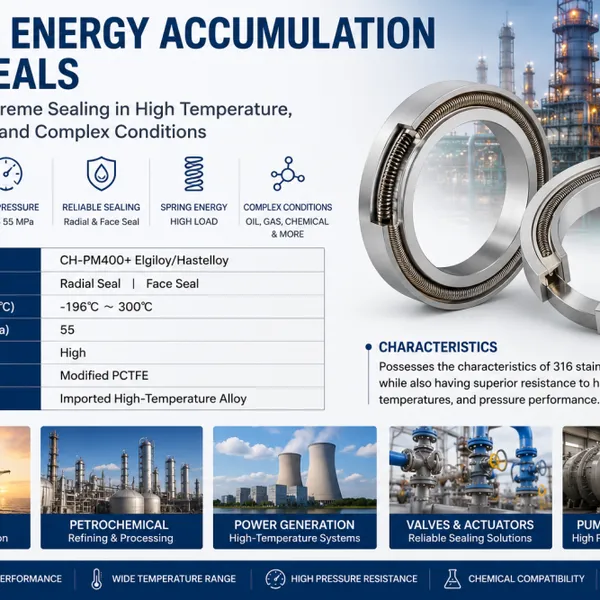
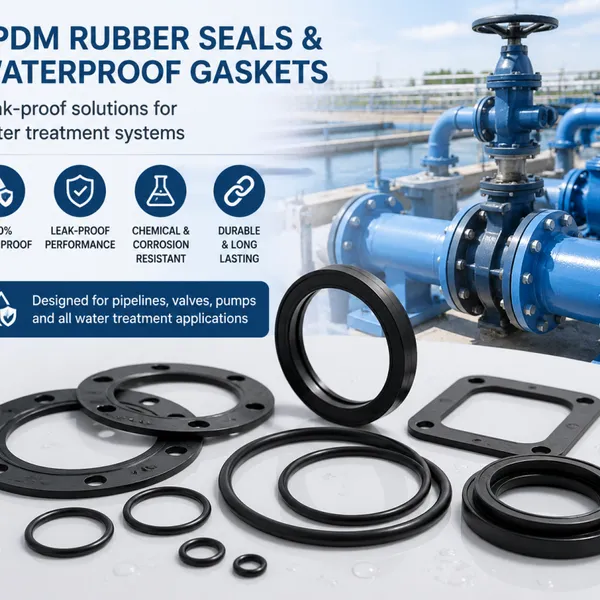
Durable Sealing Solutions for Water & Wastewater SystemsNegotiableMOQ: 10 Pieces
-
Oil & Gas Rubber Seals Manufacturer | FKM HNBR O Rings for Pipeline EquipmentNegotiableMOQ: 10 Pieces
-
Hydraulic Rubber Seals Manufacturer | Hydraulic Cylinder O Rings and Sealing SolutionsNegotiableMOQ: 10 Pieces
-
Automotive Rubber Seals Manufacturer | EPDM NBR FKM Sealing SolutionsNegotiableMOQ: 10 Pieces
-
Chemical Resistant Rubber Seals | FKM FFKM EPDM Industrial Sealing SolutionsNegotiableMOQ: 10 Pieces
-
Water Treatment Rubber Seals | EPDM Rubber Sealing Solutions ManufacturerNegotiableMOQ: 10 Pieces