 Business License

Types of Rubber Seals: O Rings, Oil Seals & Industrial Sealing Solutions Guide
Types of Rubber Seals: O Rings, Oil Seals & Industrial Sealing Solutions Guide
Introduction
Rubber seals are essential components in modern industrial equipment, helping prevent fluid leakage, maintain system pressure, and protect machinery from contamination. They are widely used in hydraulic systems, pipelines, pumps, valves, automotive equipment, and oil & gas applications.
Choosing the correct seal type and material is critical for achieving reliable performance and long service life. This guide explains the most common types of rubber seals, their applications, and how to select the best industrial sealing solution.
What Are Rubber Seals?
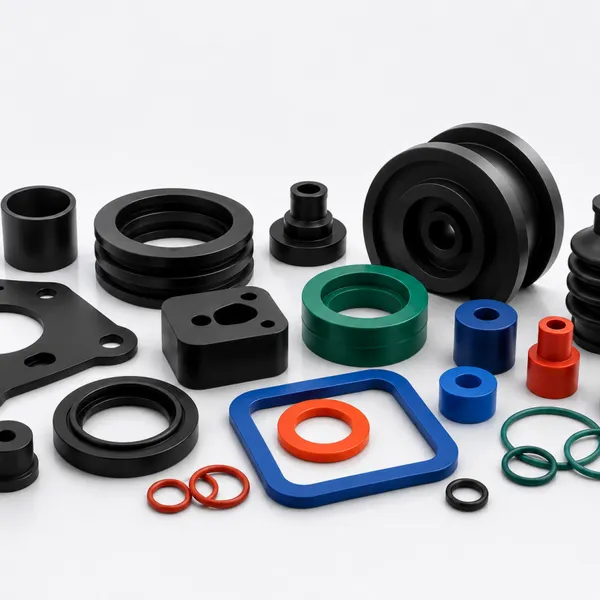
Rubber seals are elastomer components designed to create a leak-proof barrier between two mating surfaces. They prevent the escape of liquids, gases, and lubricants while protecting equipment from dust, moisture, and contaminants.
Common Sealing Materials
· NBR (Nitrile Rubber)
· FKM (Viton®)
· EPDM
· Silicone Rubber
· HNBR
· PTFE (for special sealing applications)
Each material offers different levels of resistance to oil, heat, chemicals, weathering, and pressure.
Main Types of Rubber Seals
1. O Rings
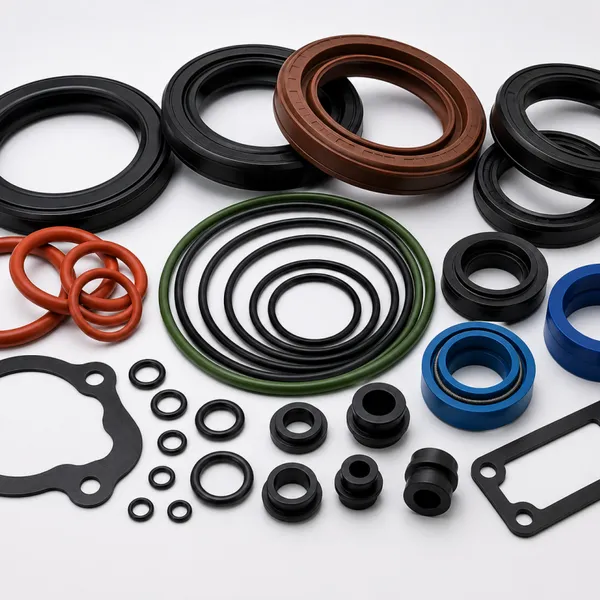
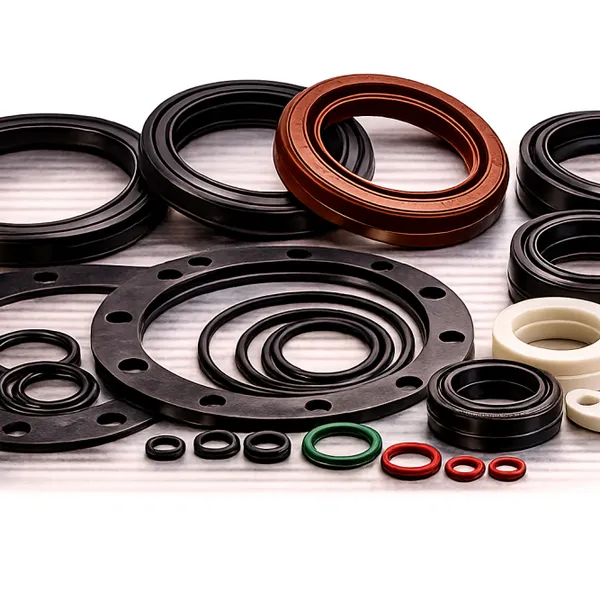
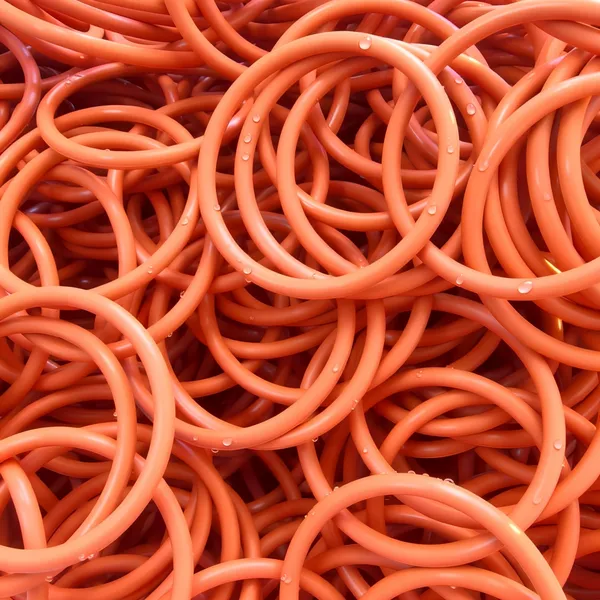
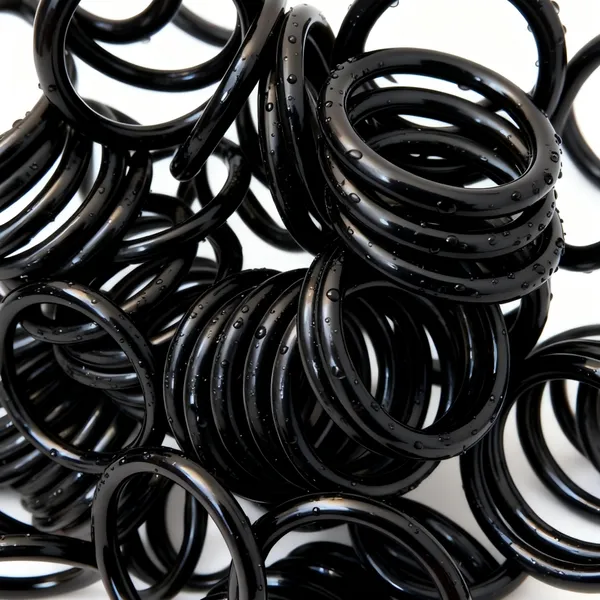
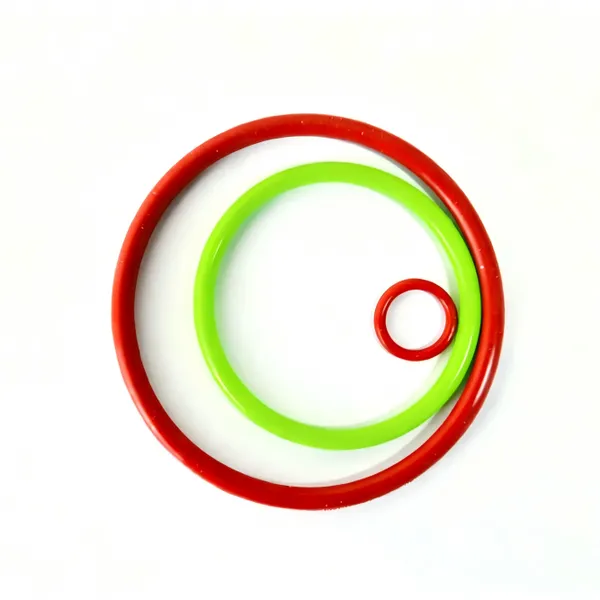
O rings are the most widely used sealing components in industrial systems. Their simple circular design provides effective sealing in both static and dynamic applications.
Applications
· Hydraulic cylinders
· Pneumatic systems
· Pipeline connectors
· Valves and pumps
· Oil & gas equipment
Advantages
· Low cost
· Easy installation
· Excellent sealing performance
· Available in standard and custom sizes
2. Oil Seals
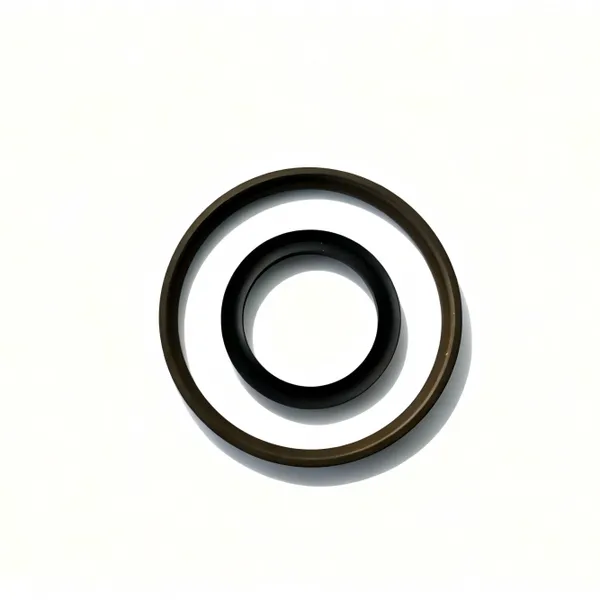
Oil seals, also called rotary shaft seals, prevent lubricant leakage and block external contaminants from entering rotating equipment.
Applications
· Gearboxes
· Electric motors
· Hydraulic pumps
· Compressors
· Industrial machinery
Advantages
· Excellent wear resistance
· Suitable for rotating shafts
· Long service life
· High-speed operation capability
3. Rubber Gaskets
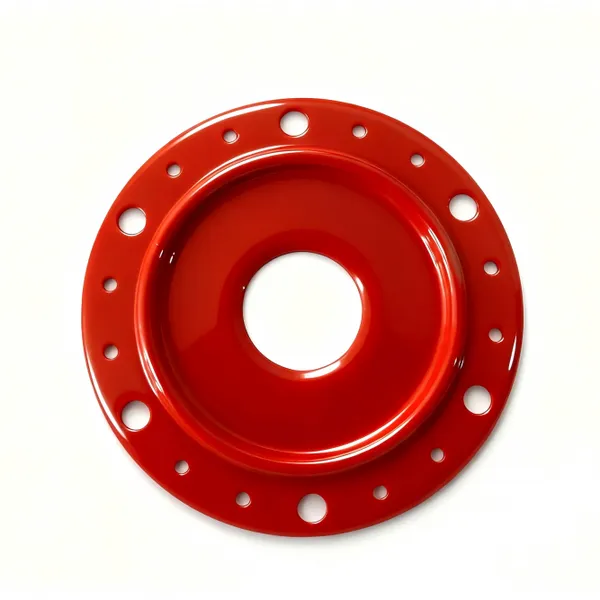
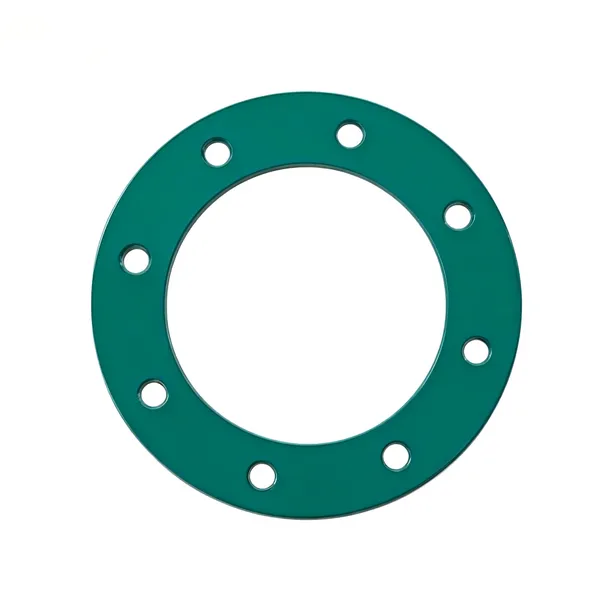
Rubber gaskets are flat sealing components placed between two mating surfaces to create a tight seal.
Applications
· Pipeline flanges
· Pressure vessels
· Heat exchangers
· Water treatment systems
· Industrial valves
Advantages
· Excellent compressibility
· Good chemical resistance
· Easy maintenance
· Effective sealing at low to medium pressure
4. Bonded Seals
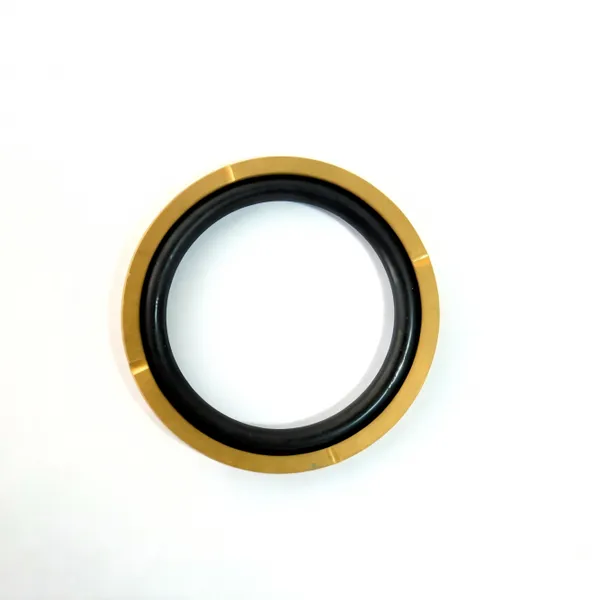
Bonded seals combine a metal washer with a rubber sealing element to provide reliable sealing under high-pressure conditions.
Applications
· Hydraulic fittings
· Pipe connections
· Oilfield equipment
· High-pressure systems
Advantages
· Prevents leakage under pressure
· High mechanical strength
· Easy installation
5. Hydraulic Seals
Hydraulic seals are specially designed for fluid power systems and are commonly used in cylinders and hydraulic actuators.
Applications
· Hydraulic cylinders
· Construction equipment
· Mining machinery
· Oilfield systems
Benefits
· High-pressure resistance
· Low friction
· Improved equipment efficiency
How to Choose the Right Sealing Material
When selecting a rubber seal, consider:
· Operating temperature
· Working pressure
· Chemical compatibility
· Environmental exposure
· Static or dynamic movement
Material Selection Guide
Material | Main Advantage | Typical Application |
NBR | Oil resistance | Hydraulic systems |
FKM | High temperature resistance | Oil & gas industry |
EPDM | Water and weather resistance | Water treatment |
Silicone | Wide temperature range | Food & medical equipment |
HNBR | Abrasion resistance | Heavy-duty industrial equipment |
Industrial Applications of Rubber Seals
Rubber seals are widely used across industries:
Oil & Gas
· Pipeline sealing
· Wellhead equipment
· Valves and pumps
· Drilling systems
Automotive
· Engines
· Fuel systems
· Transmissions
Manufacturing
· Hydraulic machinery
· Pneumatic systems
· Industrial automation equipment
Water Treatment
· Pumps
· Valves
· Pipe flanges
Why Choose Custom Rubber Seals?
Standard seals may not always meet unique operating requirements. Custom rubber seals provide:
· Precise dimensional fit
· Improved sealing performance
· Enhanced durability
· Material optimization for specific environments
XI'AN CHRIS offers OEM and custom-molded sealing solutions tailored to customer specifications.
Frequently Asked Questions
What is the most common type of rubber seal?
O rings are the most commonly used rubber seals due to their simplicity, reliability, and low cost.
Which rubber material is best for oil resistance?
NBR and HNBR are widely used for oil-resistant applications, while FKM offers superior resistance to high temperatures and aggressive chemicals.
What is the difference between an oil seal and an O ring?
An O ring seals static or reciprocating applications, while an oil seal is specifically designed for rotating shafts and dynamic sealing.
How long do rubber seals last?
Seal life depends on operating conditions, material selection, pressure, temperature, and maintenance practices.
Why Choose XI'AN CHRIS?
XI'AN CHRIS specializes in industrial sealing solutions, including:
· O Rings
· Oil Seals
· Rubber Gaskets
· Bonded Seals
· Hydraulic Seals
· Custom Molded Rubber Parts
We provide custom manufacturing, multiple material options, and OEM sealing solutions for global industrial markets.
Conclusion
Understanding the different types of rubber seals helps engineers and buyers select the most effective sealing solution for their applications. Whether you need O rings, oil seals, gaskets, or custom sealing products, choosing the right material and design can significantly improve equipment reliability, reduce maintenance costs, and extend service life.
Contact XI'AN CHRIS today for professional industrial sealing solutions tailored to your requirements.
Recently Posted
-
New Open Mill Arrived | SEAL CHRIS Production Upgrade
August 4, 2026Great news from SEAL CHRIS! Our brand-new rubber open mill has officially landed at our factory.As a core equipment for rubber mix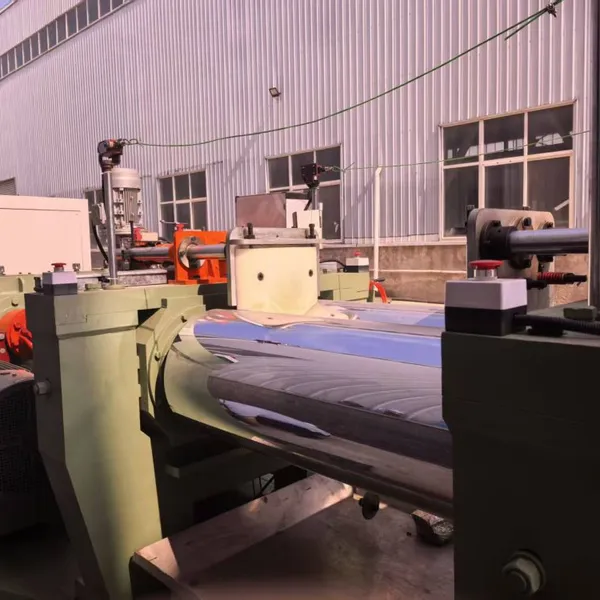 Read More
 -
High-Temperature FFKM Sealing Rings | Oil & Gas Extreme Environment Applications
July 21, 2026High-Temperature FFKM Sealing Rings for Oil & Gas ApplicationsProduct OverviewFFKM sealing rings are engineered for extreme op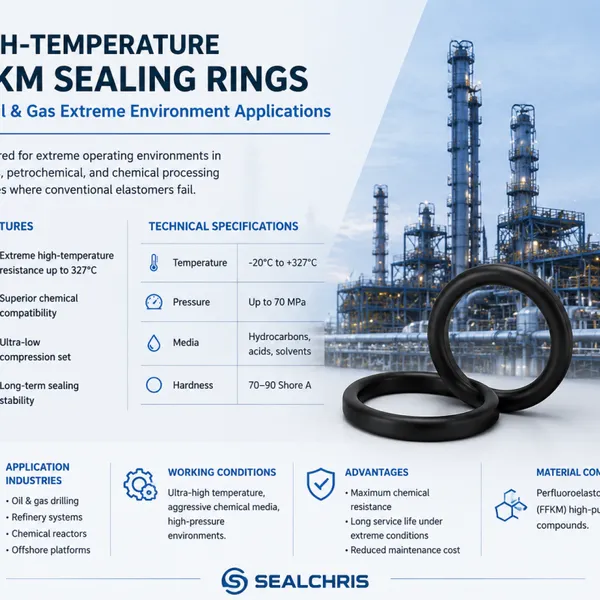 Read More
 -
Automotive Rubber Seal Applications: Engine, Fuel System & Vehicle Sealing Solutions
July 14, 2026Automotive Rubber Seal Applications: Engine, Fuel System & Vehicle Sealing SolutionsAutomotive rubber seals are essential comp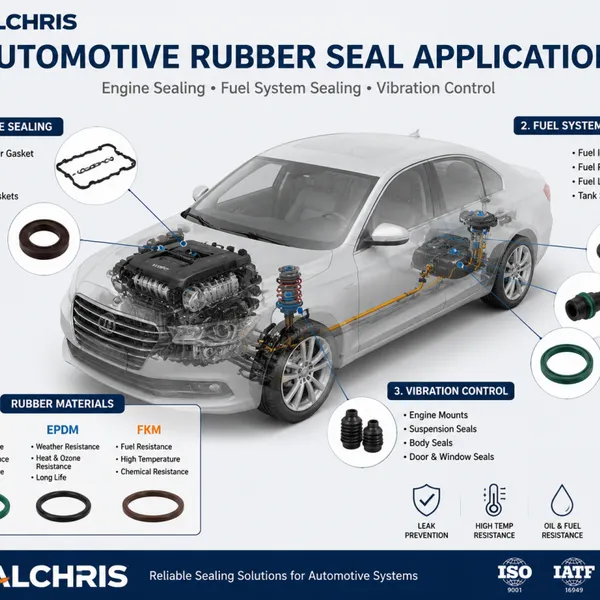 Read More
 -
Hydraulic Cylinder Seals | Piston and Rod Seal Guide
July 7, 2026Hydraulic Cylinder Seals | Piston and Rod Seal GuideIntroductionHydraulic cylinders are widely used in construction machinery, ind Read More

Contact Us
Recommended Products
-
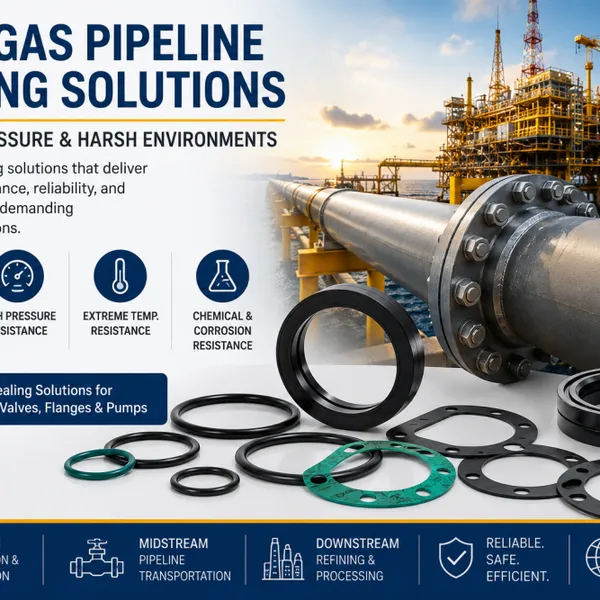
 Oil & Gas Pipeline Gaskets | High Pressure Sealing SystemsNegotiableMOQ: 10 Pieces
 -
Air Compressor High-Temperature Seals | Vibration Resistant DesignNegotiableMOQ: 10 Pieces
-
FFKM Chemical Processing Seals | Ultra Corrosive EnvironmentsNegotiableMOQ: 10 Pieces
-
High-Temperature Industrial O-Rings | Mechanical Equipment SealingNegotiableMOQ: 10 Pieces
-
Heavy Duty Hydraulic Gaskets | Mining & Construction EquipmentNegotiableMOQ: 10 Pieces
-
FFKM Valve O-Rings | High-Temperature Petrochemical ApplicationsNegotiableMOQ: 10 Pieces
-
Chemical Resistant Industrial Gaskets | Acid Alkali Processing EquipmentNegotiableMOQ: 10 Pieces
-
High-Pressure Compressor Sealing Gaskets | Gas Compression SystemsNegotiableMOQ: 10 Pieces
-
FKM High-Temperature O-Rings | Industrial Fluid Sealing SystemsNegotiableMOQ: 10 Pieces
-
Oil Drilling High-Temperature Sealing Rings | Extreme Downhole ConditionsNegotiableMOQ: 10 Pieces
-
Chemical Reactor Gaskets | High-Temperature Corrosion ResistanceNegotiableMOQ: 10 Pieces
-
Industrial Air Compressor Gaskets | High Vibration SystemsNegotiableMOQ: 10 Pieces
-
FFKM Chemical Resistant O-Rings | Aggressive Media SealingNegotiableMOQ: 10 Pieces
-
High-Pressure Hydraulic Sealing Rings | Heavy Industrial EquipmentNegotiableMOQ: 10 Pieces
-
Specialty Rubber O-Rings | High-Pressure Oil & Gas ApplicationsNegotiableMOQ: 10 Pieces

-
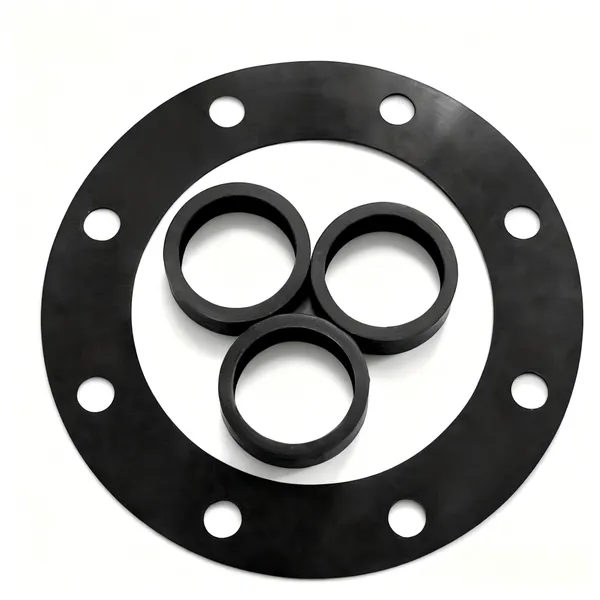
High-Temperature Rubber Seals | Steam & Hot Fluid SystemsNegotiableMOQ: 10 Pieces
-
FKM Sealing Rings | Corrosive Chemical HandlingNegotiableMOQ: 10 Pieces
-
Wear-Resistant Rubber Gaskets | High-Pressure Hydraulic SystemsNegotiableMOQ: 10 Pieces
-
High-Temperature FFKM O-Rings | Chemical Reactor SealingNegotiableMOQ: 10 Pieces
-
Industrial Air Compressor Sealing Rings | High-Temperature Vibration SystemsNegotiableMOQ: 10 Pieces