 Business License

O Ring Size Chart Guide | AS568 and Metric O Ring Dimensions
O Ring Size Chart Guide | AS568 and Metric O Ring Dimensions
Introduction
O rings are among the most widely used sealing components in hydraulic systems, pipelines, pumps, valves, and industrial machinery. Selecting the correct O ring size is essential for preventing leakage and ensuring long-term sealing performance.
What Is an O Ring Size Chart?
An O ring size chart is a standard reference that defines three key dimensions:
Inner Diameter (ID)
Cross Section (CS)
Outer Diameter (OD)
These dimensions determine how the O ring fits into the groove and performs under operating pressure.
AS568 O Ring Standard
AS568 is the most common O ring sizing standard in the United States. It uses inch-based dimensions and is widely applied in hydraulic, aerospace, and industrial systems.
Common AS568 sizes include:
AS568-001
AS568-110
AS568-214
AS568-325
The standard ensures compatibility across different manufacturers and applications.
Metric O Ring Standard
Metric O rings are commonly used in Europe, Asia, and global industrial equipment. Sizes are specified by inner diameter and cross section in millimeters.
Examples include:
10 × 2 mm
20 × 3 mm
50 × 5 mm
100 × 10 mm
How to Measure an O Ring
Measure the Inner Diameter (ID).
Measure the Cross Section (CS).
Calculate the Outer Diameter using:
OD = ID + (2 × CS)
Accurate measurement helps ensure proper sealing and groove fit.
O Ring Selection Factors
When choosing an O ring size, consider:
Groove dimensions
Operating pressure
Temperature conditions
Compression ratio
Static or dynamic sealing requirements
Incorrect sizing is a common cause of seal failure.
Common Materials
NBR – economical and versatile
FKM – high-temperature and chemical resistance
EPDM – excellent water resistance
Silicone – flexible over a wide temperature range
HNBR – enhanced durability and wear resistance
Applications
O rings are widely used in:
Hydraulic cylinders
Oil and gas pipelines
Pumps and valves
Automotive systems
Water treatment equipment
Industrial machinery
Conclusion
Understanding AS568 and metric O ring standards helps ensure proper seal selection and reliable performance. Correct sizing and material selection reduce leakage, extend service life, and improve equipment reliability.
Recently Posted
-
New Open Mill Arrived | SEAL CHRIS Production Upgrade
August 4, 2026Great news from SEAL CHRIS! Our brand-new rubber open mill has officially landed at our factory.As a core equipment for rubber mix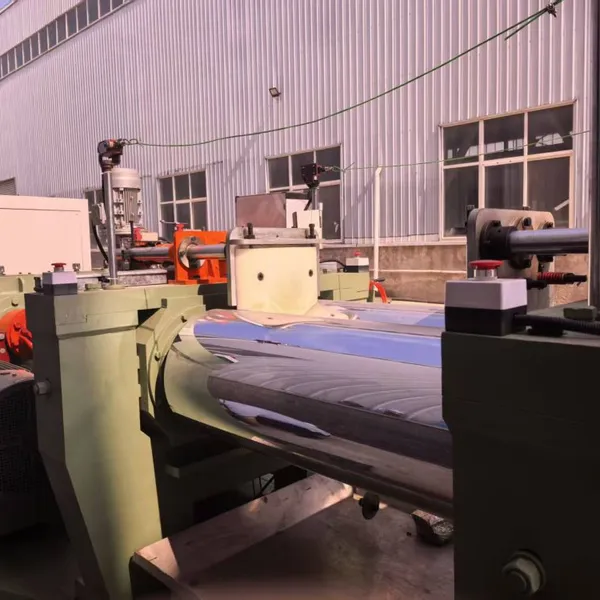 Read More
 -
High-Temperature FFKM Sealing Rings | Oil & Gas Extreme Environment Applications
July 21, 2026High-Temperature FFKM Sealing Rings for Oil & Gas ApplicationsProduct OverviewFFKM sealing rings are engineered for extreme op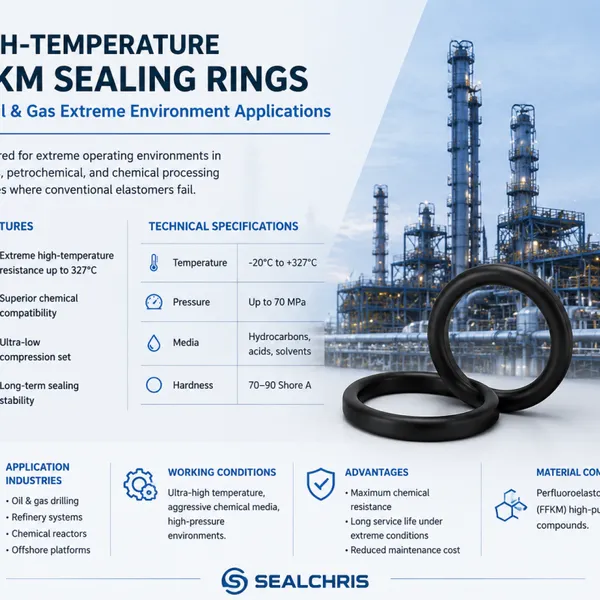 Read More
 -
Automotive Rubber Seal Applications: Engine, Fuel System & Vehicle Sealing Solutions
July 14, 2026Automotive Rubber Seal Applications: Engine, Fuel System & Vehicle Sealing SolutionsAutomotive rubber seals are essential comp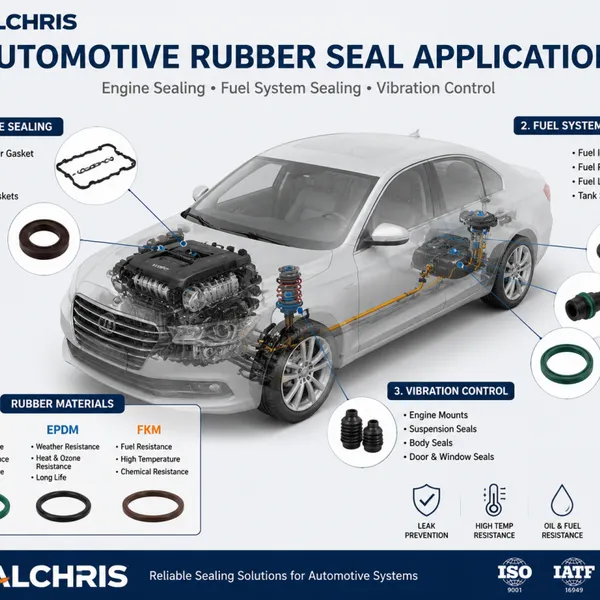 Read More
 -
Hydraulic Cylinder Seals | Piston and Rod Seal Guide
July 7, 2026Hydraulic Cylinder Seals | Piston and Rod Seal GuideIntroductionHydraulic cylinders are widely used in construction machinery, ind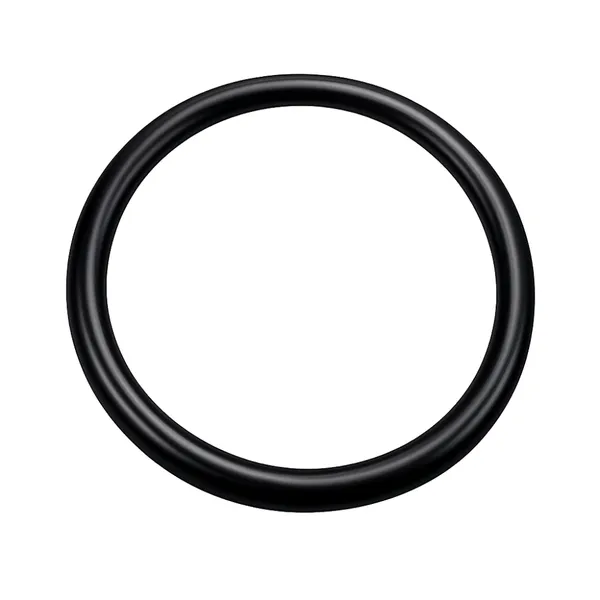 Read More

Contact Us
Recommended Products
-
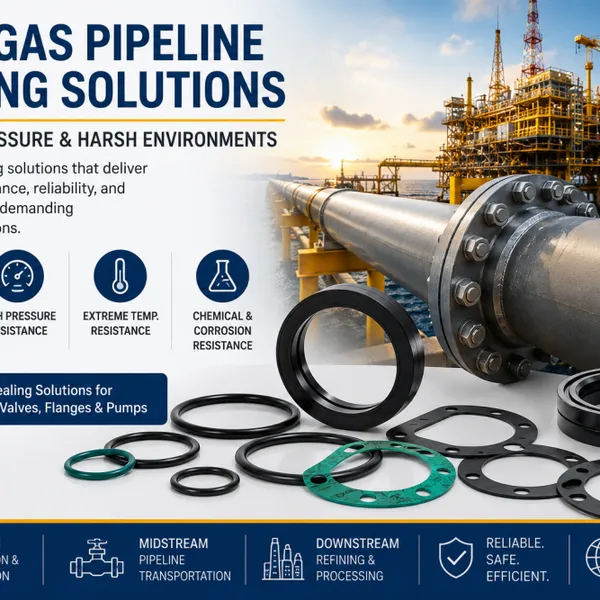
 Oil & Gas Pipeline Gaskets | High Pressure Sealing SystemsNegotiableMOQ: 10 Pieces
 -
Air Compressor High-Temperature Seals | Vibration Resistant DesignNegotiableMOQ: 10 Pieces
-
FFKM Chemical Processing Seals | Ultra Corrosive EnvironmentsNegotiableMOQ: 10 Pieces
-
High-Temperature Industrial O-Rings | Mechanical Equipment SealingNegotiableMOQ: 10 Pieces
-
Heavy Duty Hydraulic Gaskets | Mining & Construction EquipmentNegotiableMOQ: 10 Pieces
-
FFKM Valve O-Rings | High-Temperature Petrochemical ApplicationsNegotiableMOQ: 10 Pieces
-
Chemical Resistant Industrial Gaskets | Acid Alkali Processing EquipmentNegotiableMOQ: 10 Pieces
-
High-Pressure Compressor Sealing Gaskets | Gas Compression SystemsNegotiableMOQ: 10 Pieces
-
FKM High-Temperature O-Rings | Industrial Fluid Sealing SystemsNegotiableMOQ: 10 Pieces
-
Oil Drilling High-Temperature Sealing Rings | Extreme Downhole ConditionsNegotiableMOQ: 10 Pieces
-
Chemical Reactor Gaskets | High-Temperature Corrosion ResistanceNegotiableMOQ: 10 Pieces
-
Industrial Air Compressor Gaskets | High Vibration SystemsNegotiableMOQ: 10 Pieces
-
FFKM Chemical Resistant O-Rings | Aggressive Media SealingNegotiableMOQ: 10 Pieces
-
High-Pressure Hydraulic Sealing Rings | Heavy Industrial EquipmentNegotiableMOQ: 10 Pieces
-
Specialty Rubber O-Rings | High-Pressure Oil & Gas ApplicationsNegotiableMOQ: 10 Pieces

-
High-Temperature Rubber Seals | Steam & Hot Fluid SystemsNegotiableMOQ: 10 Pieces
-
FKM Sealing Rings | Corrosive Chemical HandlingNegotiableMOQ: 10 Pieces
-
Wear-Resistant Rubber Gaskets | High-Pressure Hydraulic SystemsNegotiableMOQ: 10 Pieces
-
High-Temperature FFKM O-Rings | Chemical Reactor SealingNegotiableMOQ: 10 Pieces
-
Industrial Air Compressor Sealing Rings | High-Temperature Vibration SystemsNegotiableMOQ: 10 Pieces